Uncompromising quality and expertise in every detail of our service delivery
Our Services

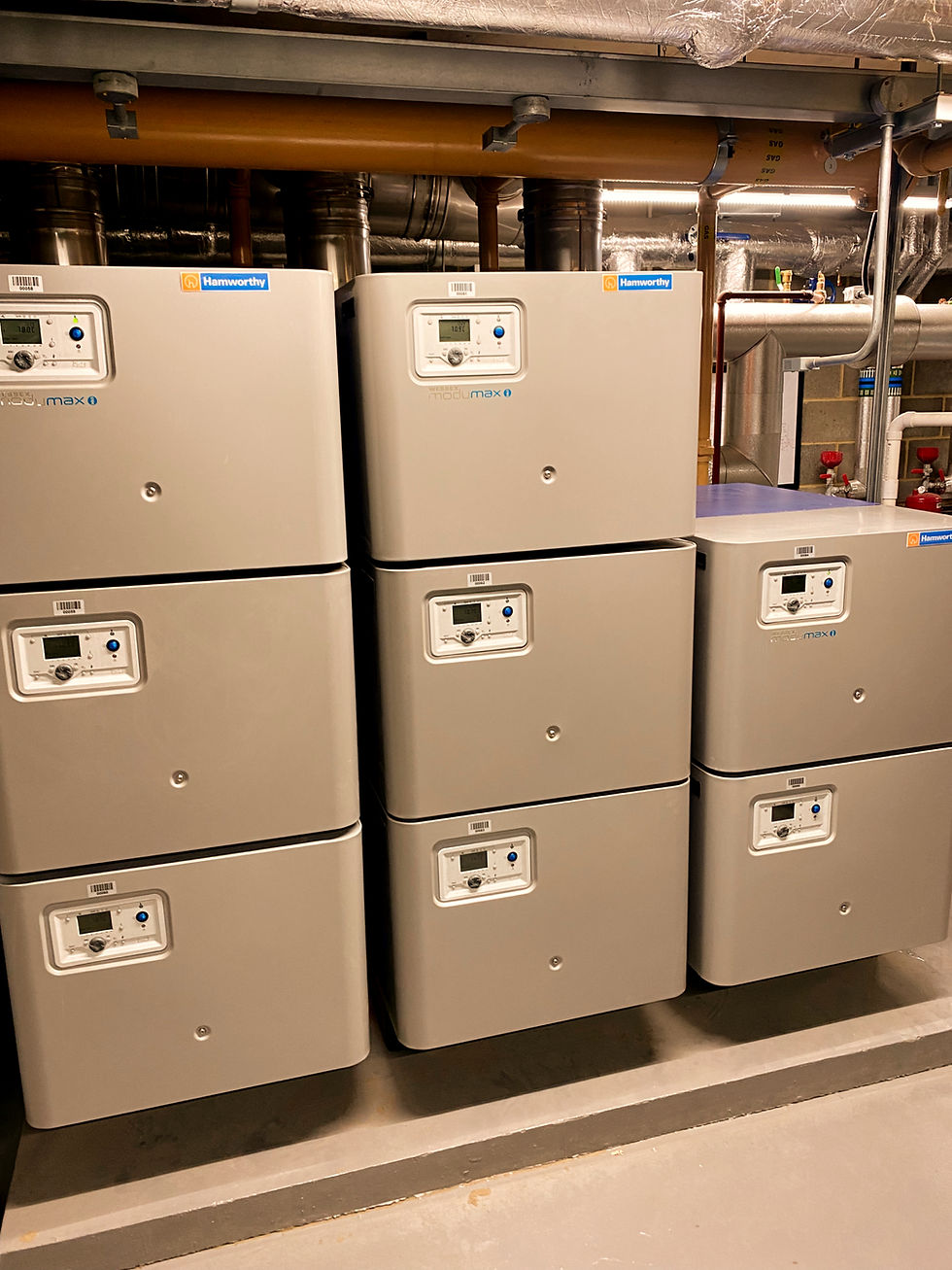
Gas Safety PPM for commercial boilers & water heaters
Commercial plant rooms are the beating heart of a building’s hot water and heating systems - and where gas fired equipment is involved, they carry legal and moral responsibility that goes far beyond routine upkeep. A structured PPM programme for boilers, water heaters and their associated plant is the single most effective way to protect building occupants, maintain statutory compliance, and avoid the far great cost of unplanned failures.
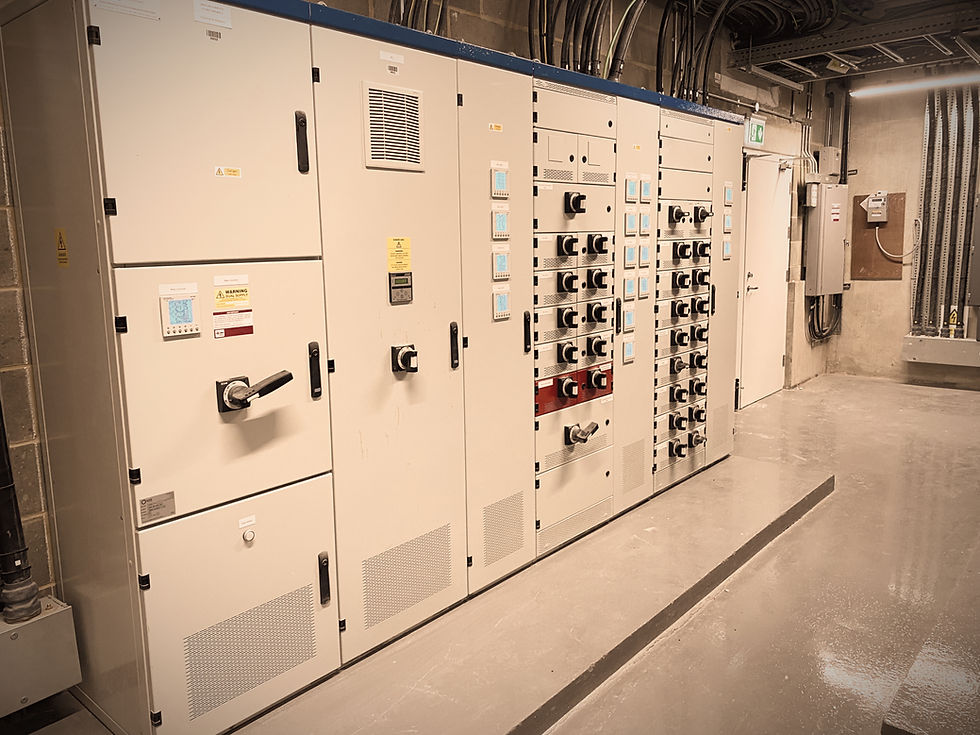
Electrical Safety PPM for commercial premises
Electrical systems sit behind almost everything that happens in a commercial building - lighting, life safety systems, HVAC all depend on a supply that is safe, stable and well maintained. Unlike a visible leak or a strange noice from a boiler, electrical faults can develop silently, making a structured PPM programme essential.
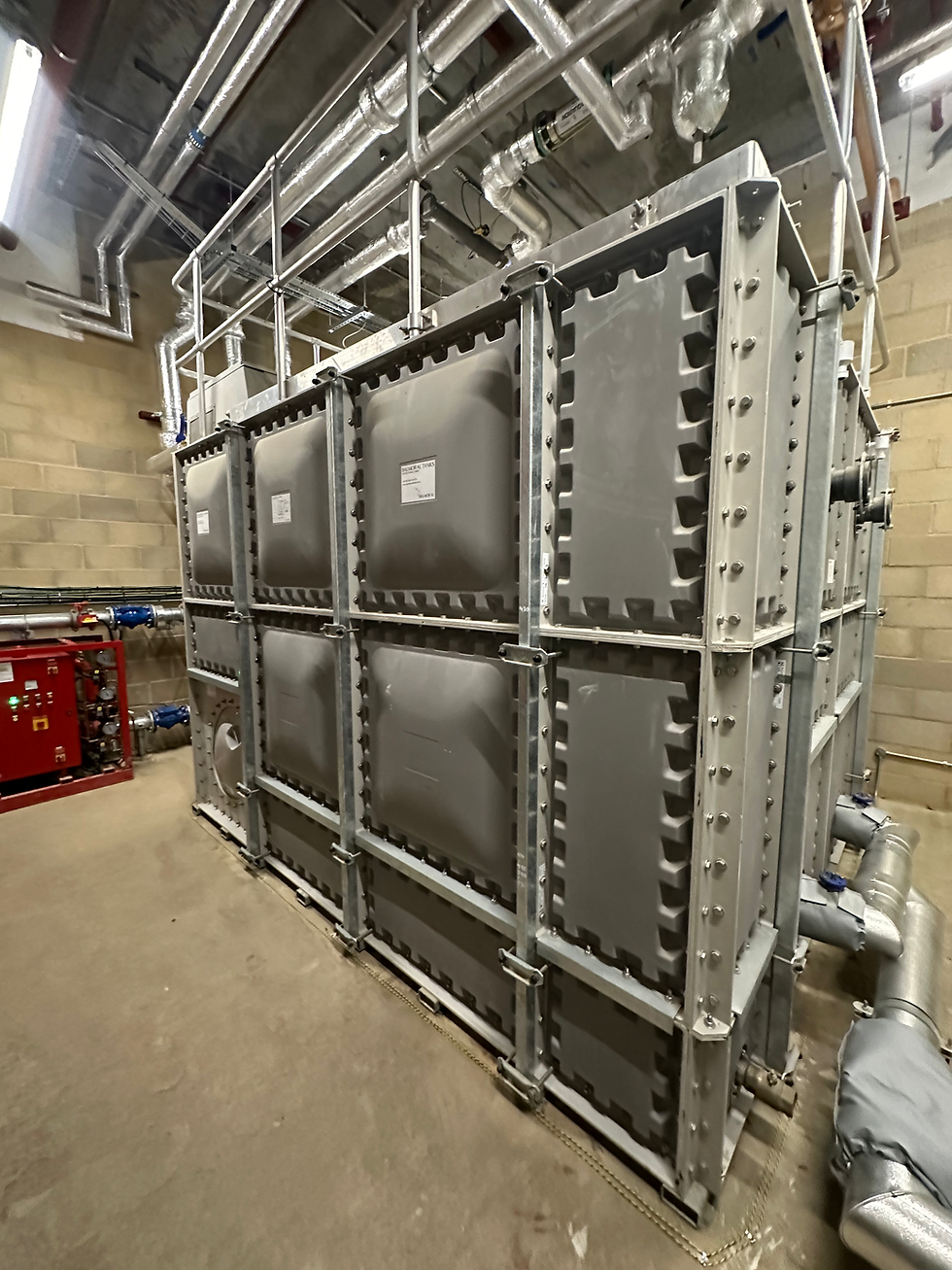
Water Hygiene & Legionella Control PPM for commercial premises
Water systems in commercial premises - from cold water storage tanks to showers and little used outlets - can, if poorly managed, provide the ideal conditions for Legionella bacteria to grow. A structured PPM programme for water hygiene is essential not just for regulatory compliance, but for protecting the health of staff, visitors, and the public.

Air Conditioning PPM for commercial premises
Air conditioning systems do far more than keep a building comfortable. In commercial premises, they regulate temperature for staff and equipment, support indoor air quality, and - where refrigerant based systems are involved - carry specific environmental and safety obligations that only a structured F-Gas PPM programme can reliably manage.

Fire Alarm PPM for commercial premises
A fire alarm system is often the first line of defence in a fire emergency - the difference between an early, orderly evacuation and a situation that escalates rapidly. In commercial premises, where occupancy numbers, layout complexity, and business risk are all higher, a structured PPM programme is essential to ensure the system will perform reliably when needed.

Security Systems PPM for commercial premises
Access control, CCTV and intruder alarm systems form a critical layer of protection for commercial premises - controlling who can enter a building, recording what happens within it, and alerting the right people the moment something goes wrong. Like any technical system, however, these can degrade over time if left unchecked, and a fault often only becomes apparent at the worst possible moment: during an actual incident. A structured PPM programme is the best way to ensure these systems remain reliable, compliant, and fit for purpose.
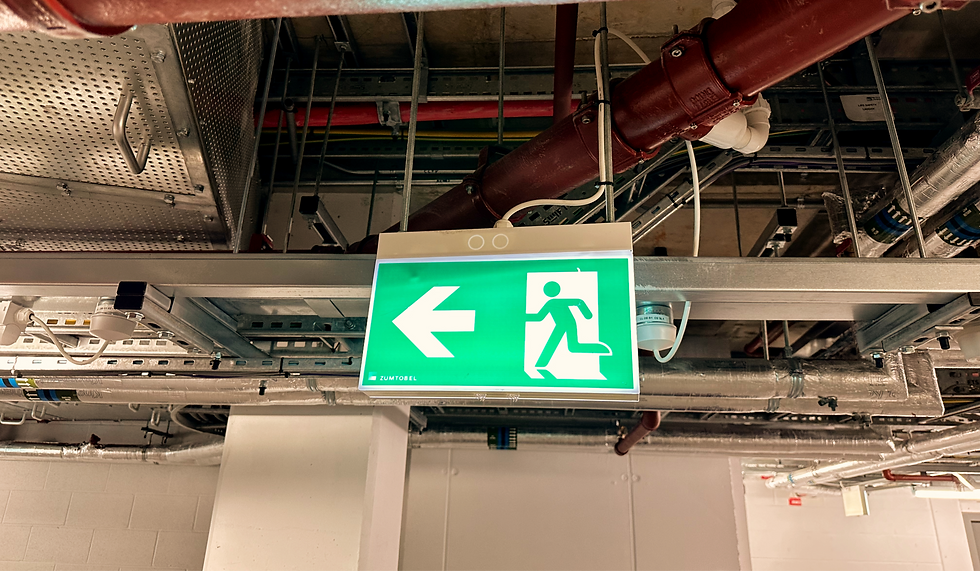

Emergency Lighting PPM for commercial premises
When mains power fails - whether due to a fault, a fire, or a deliberate shutdown during an emergency - emergency lighting is what keeps escape routes visible and occupants safe as they leave the building. In commercial premises, where unfamiliar visitors, complex layouts and high occupancy levels are common, a structured PPM programme is essential to ensure these systems perform reliably when normal lighting fails.
Fire Door Inspection, Repair & Installation for commercial premises
Fire doors are one of the most heavily relied upon and most frequently compromised elements of a buildings passive fire protection. Every day, wear and tear, propped-open doors, and unauthorised alterations can quietly undermine a fire door's ability to do its job: holding back fire and smoke for its rated duration, giving occupants time to escape and fire services time to respond. A structured programme of inspection, remedial repairs, and where necessary, full replacement is essential to keep that protection intact.
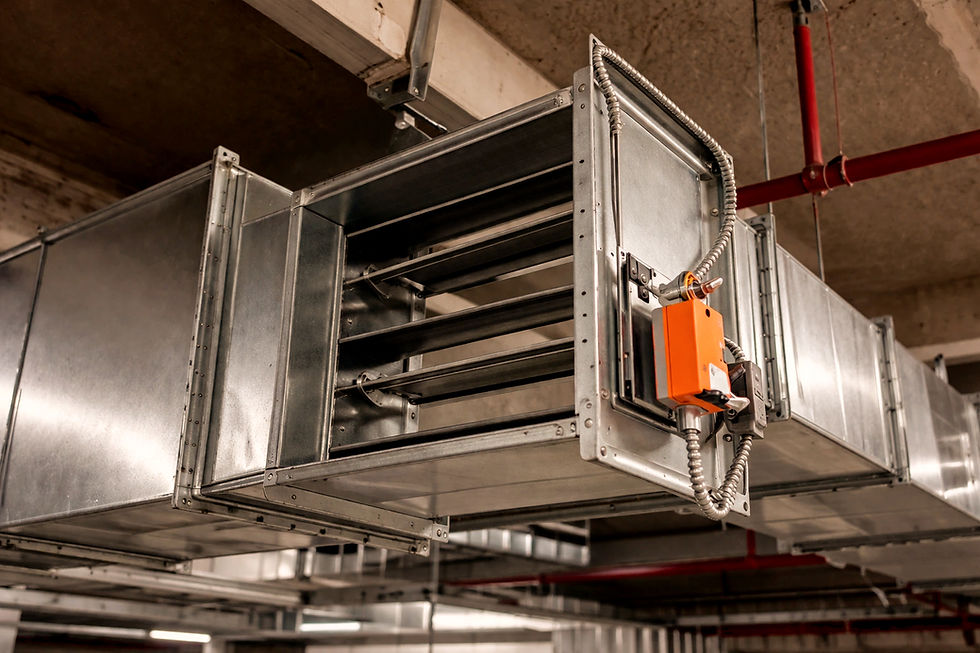

Fire Damper PPM for commercial premises
Fire dampers are one of the most important - and moist overlooked - components in a commercial building's passive fire protection strategy. Concealed within ductwork above ceilings and behind risers, they exist for one purpose: to close automatically in a. fire, preventing flames and smoke from spreading through ventilation systems between fire compartments. Because they sit hidden from view and rarely operate outside of a real fire or test, a structured PPM programme is the only reliable way to know they'll actually work when needed.
Fire Risk Assessments & Compartmentation Surveys for commercial premises
Every fire safety ,exude in a commercial building - alarms, extinguishers, fire doors, fire dampers, evacuation procedures - exists to address risks identified through one core process: the fire risk assessment. Alongside it, a compartmentation survey examines whether the physical structure of the building will actually contain fire and smoke as designed. Together, these two exercises form the foundation on which a building's entire fire strategy is built, and getting them right is a legal duty, not an optional extra.

BMS & Controls PPM for commercial premises
A Building Management System (BMS) sits behind almost every other system in a commercial building — coordinating heating, cooling, ventilation, lighting, and increasingly security and life safety interfaces, all from a central point of control. When it’s working well, a BMS is largely invisible: temperatures stay comfortable, energy use stays efficient, and faults get flagged before anyone notices a problem. When it isn’t maintained, however, sensor drift, outdated programming, and communication failures can quietly undermine every system it controls. A structured Planned Preventative Maintenance (PPM) programme is essential to keep a BMS performing as intended.
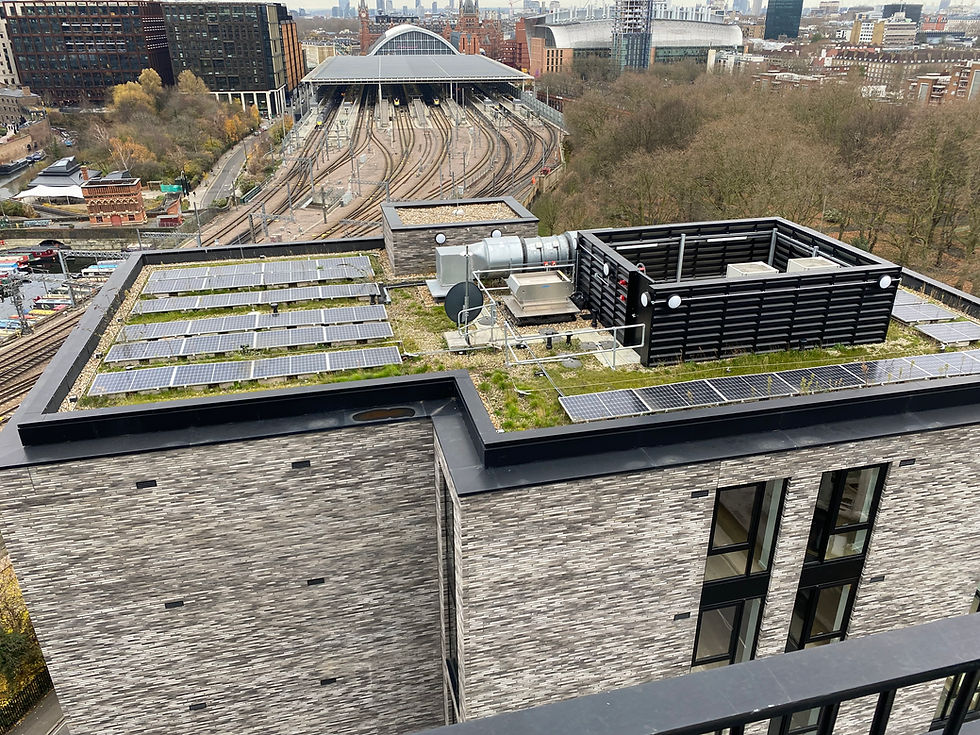
Mansafe Systems PPM for commercial premises
Roofs, plant areas, and service risers all require regular access for maintenance, inspection, and repair — and wherever that access involves a risk of falling, mansafe systems are the engineered protection standing between a routine task and a serious incident. Anchor points, latchwire systems, handrails, and fixed vertical ladders all depend on their fixings, components, and condition remaining sound over years of exposure to the elements and repeated use. A structured Planned Preventative Maintenance (PPM) programme is essential to ensure these systems continue to perform exactly as designed.