Our Services
Security Systems PPM for
commercial premises
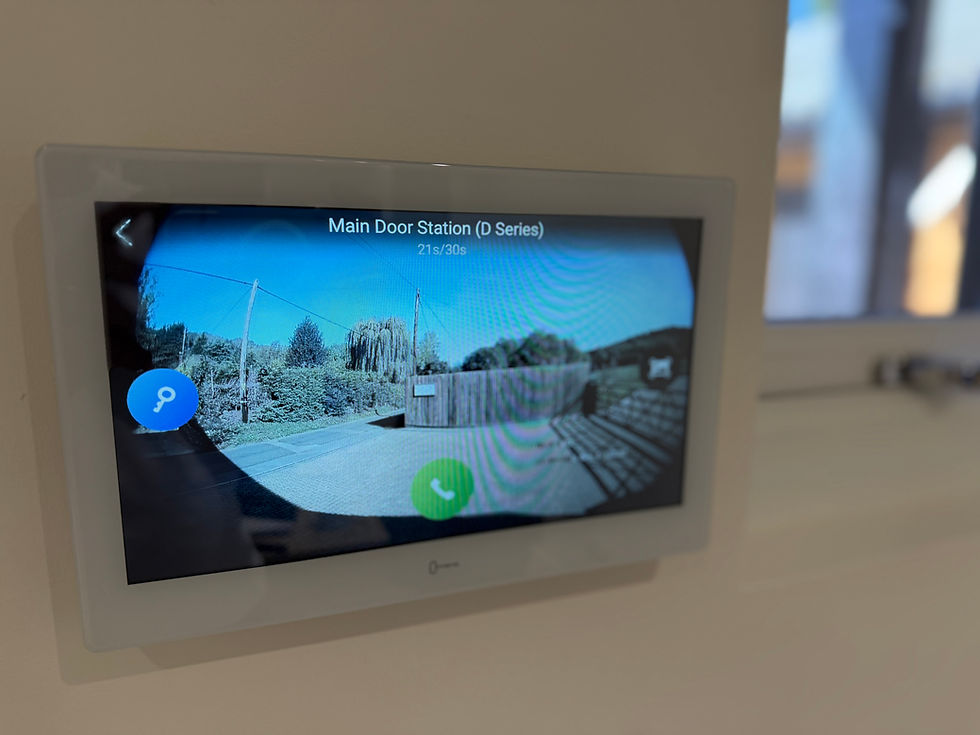
Why Security Systems PPM matters
Security systems are often assumed to be working simply because they appear to be powered on — a camera showing a live image, a door releasing when a card is presented, a keypad accepting a code. But image quality can degrade, storage can silently fail, and battery backups can lose capacity long before an obvious fault appears. Without routine testing, these issues typically only surface when they’re needed most.
While there isn’t a single overarching statute dedicated to commercial security system maintenance, several legal and regulatory frameworks shape good practice. The Health and Safety at Work etc. Act 1974 requires employers to ensure the safety of staff and visitors, which extends to ensuring security measures function as intended, particularly where access control interfaces with fire escape routes. BS 7273-4 governs the interface between access control systems and fire alarm systems, ensuring doors release correctly in a fire condition. For CCTV, the UK GDPR and Data Protection Act 2018 place legal obligations on operators around data retention, access, and security of recorded footage, with the Information Commissioner’s Office (ICO) and the Surveillance Camera Code of Practice providing further guidance for public-facing systems. Intruder alarm systems installed and maintained to BS EN 50131 and monitored in line with BS 8243 are also typically required by insurers as a condition of cover, with police response often contingent on compliance with these standards.
Beyond legal duties, a well-maintained security system directly protects your business against theft, unauthorised access, and liability — and provides reliable evidence when it’s needed.
Acces control PPM tasks
A comprehensive access control PPM programme typically includes:
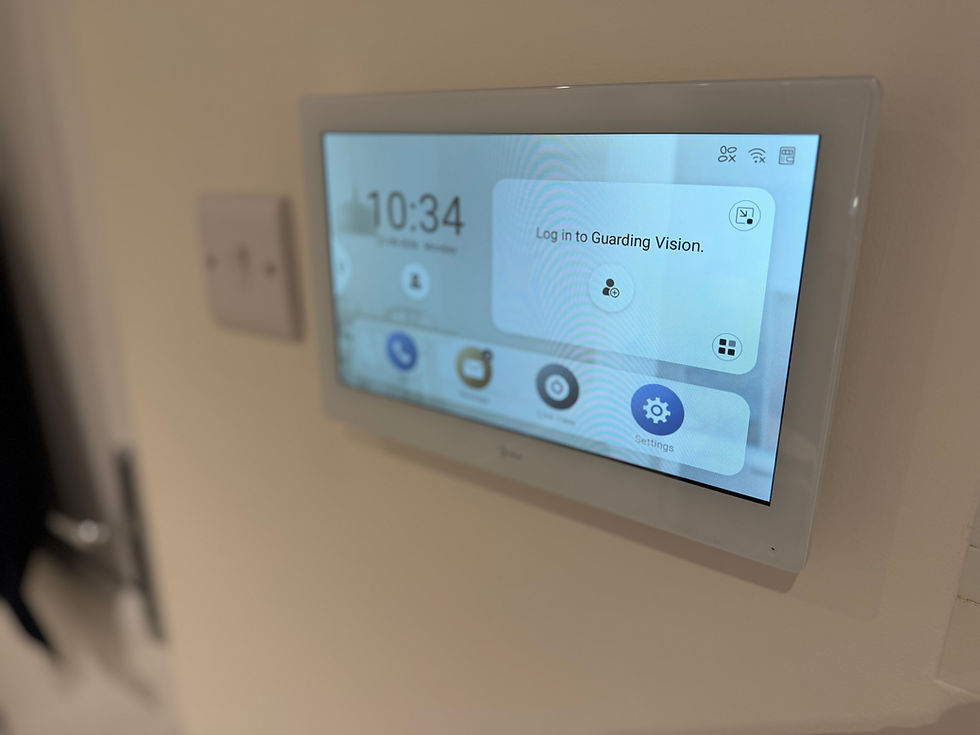
Door hardware inspection
Checking electric strikes, maglocks, and door closers for correct operation, alignment, and wear
Reader and credential testing
Confirming card, fob, and biometric readers respond correctly and reliably across all access points
Controller and panel checks
Inspecting control panels, power supplies, and battery backups for correct operation and standby capacity
Fire interface testing
Verifying that access-controlled doors release correctly on activation of the fire alarm system, in line with BS 7273-4, to ensure escape routes are never compromised
Software and firmware updates
Applying manufacturer updates to address security vulnerabilities and maintain system stability
User and credential audits
Reviewing active user lists and access permissions to identify redundant credentials and ensure the system reflects current staff and contractor access requirements
Door contact and monitoring point testing
Confirming door-forced and door-held-open alarms trigger correctly
CCTV PPM tasks
A comprehensive CCTV PPM programme typically includes:
Intruder alarm PPM tasks
Camera image quality checks
Confirming focus, field of view, and image clarity remain correct, and adjusting for any obstructions caused by foliage, signage, or building works
Housing and mounting inspection
Checking camera housings, brackets, and mounts for weather damage, corrosion, and secure fixing
Recording and storage verification
Confirming footage is being recorded, retained for the correct period in line with your data protection policy, and that storage devices have sufficient capacity and are functioning correctly
Lens cleaning and infrared/low-light performance checks
Maintaining image quality in varying light conditions, particularly for night-time coverage
Network and cabling checks
Testing network connectivity for IP-based systems and inspecting cabling for damage or degradation
Time and date synchronisation
Confirming timestamps are accurate, which is essential for footage to be usable as evidence
Access and data protection review
checking that access to live and recorded footage is appropriately restricted, and that signage and retention practices remain compliant with UK GDPR and the Data Protection Across 2018
A comprehensive intruder alarm PPM programme typically includes:
Detector testing
Checking PIR, dual-technology, and door/window contact sensors for correct sensitivity and response, avoiding both false alarms and missed detections
Control panel inspection
Verifying panel programming, zone configuration, and event log review for recurring faults or unexplained activations
Battery and standby power testing
Confirming backup batteries will maintain system operation during a mains power failure, in line with the grading requirements of BS EN 50131
Signalling and monitoring checks
Testing communication paths to the Alarm Receiving Centre (ARC), confirming signals are received correctly and within expected timeframes, in line with BS 8243
Keypad and user interface testing
Confirming set/unset functions operate correctly and user codes remain current
Sounders and visual indicators
Testing external and internal sounders and strobes for correct audibility and operation
False alarm management
Reviewing activation history to identify and resolve recurring causes, protecting police response status where applicable

Integration across systems
Security systems rarely operate in isolation, and a complete PPM plan should also account for how they interact:
Fire and Life Safety Interfaces
Access control systems must fail safe in a fire condition, releasing doors on fire alarm activation — this interface should be tested as part of both the security and fire alarm PPM regimes to avoid conflicting maintenance schedules leaving a gap in testing.
Power Resilience
Uninterruptible power supplies (UPS) or standby batteries protecting control panels, network switches, and recorders should be checked to confirm continued operation during a power outage, when security systems are often needed most.
Network Infrastructure
For IP-based CCTV and access control systems sharing network infrastructure with other building systems, PPM should include checks on switches, network storage, and bandwidth to ensure security data isn’t compromised by unrelated network demands.
Perimeter and Structural Considerations
Gates, barriers, and perimeter detection should be checked alongside the core systems, as mechanical wear in these components can undermine the effectiveness of an otherwise well-maintained electronic security system.
Building a PPM schedule that works
An effective commercial security systems PPM programme typically combines:
1
Routine in-house
checks
daily or weekly visual checks and user testing carried out by site staff
2
Scheduled professional servicing
typically bi-annual or annual, carried out by a competent engineer across access control, CCTV, and intruder alarm systems
3
Condition-based interventions
component replacement and remedial works identified through testing and fault history
4
Full documentation
service records, ARC signalling test results, user audits, and data protection compliance records - retained and accessible for insurance and regulatory purposes
The bottom line
Security systems PPM for commercial premises is about ensuring that access control, CCTV, and intruder alarms perform exactly as intended — not just on the day they’re installed, but every day after. From door release testing and image quality checks to ARC signalling and battery backups, every element plays a part in keeping your premises, people, and data protected.
A well-planned, professionally delivered maintenance programme reduces the risk of system failure at the moment it matters most, supports your insurance and compliance position, and gives you confidence that your security infrastructure is doing its job.
For a tailored security systems PPM schedule for your premises, get in touch with our security and compliance team.