Our Services
Electrical Safety PPM for commercial premises
Why Electrical Safety PPM matters
Electrical faults are a leading cause of commercial fires, and degraded installations can also present serious risks of electric shock to staff, contractors, and visitors. Because deterioration — loose connections, insulation breakdown, corrosion, overheating — is often invisible during normal use, regular inspection and testing is the only reliable way to catch problems before they escalate.
From a legal standpoint, the Electricity at Work Regulations 1989 place a duty on employers and duty holders to ensure electrical systems are maintained so far as reasonably practicable to prevent danger. This is supported by BS 7671 (the IET Wiring Regulations), which sets the technical standard for the design, installation, and periodic inspection and testing of electrical installations, and by the Health and Safety at Work etc. Act 1974, which underpins the general duty of care to employees and visitors.
Insurers, too, will typically expect evidence of an up-to-date Electrical Installation Condition Report (EICR) and a documented maintenance history as a condition of cover — making PPM as much a commercial safeguard as a safety one.
Core electrical safety PPM tasks
A comprehensive electrical PPM programme for commercial premises typically includes:
Electrical Installation Condition Reports (EICRs)
Periodic inspection and testing of the fixed wiring installation, with recommended intervals depending on premises type (commonly every 5 years for offices, more frequently for higher-risk environments such as industrial units or public buildings)
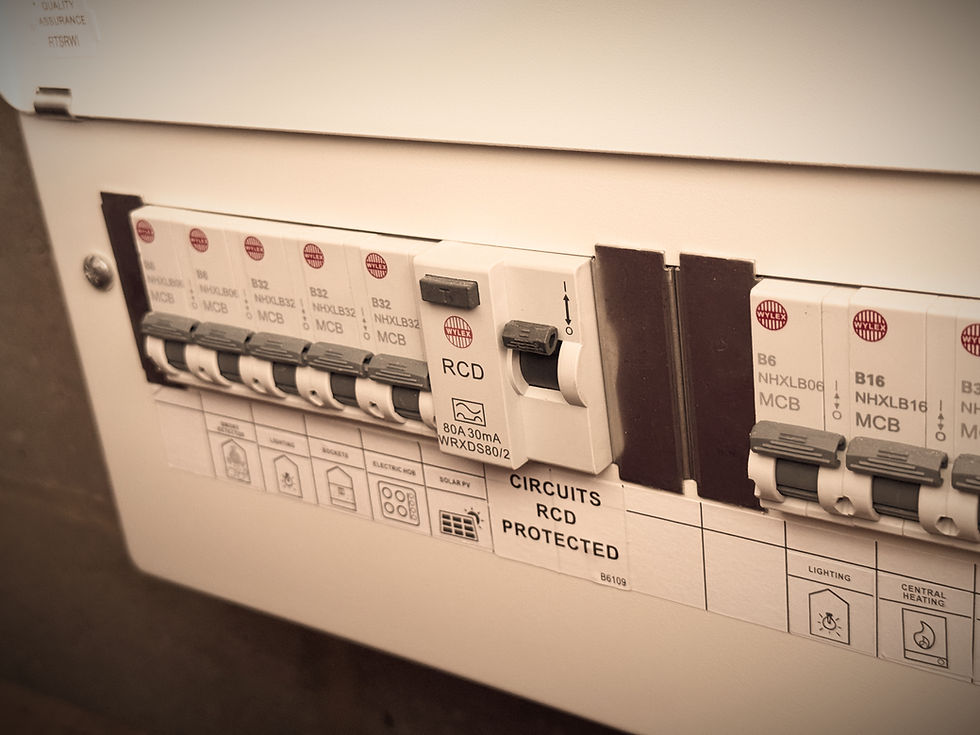
Distribution board inspections
Checking for signs of overheating, loose terminations, correct labelling, and appropriate RCD/RCBO protection
Thermal imaging surveys
Identifying hot spots at connections, switchgear, and busbars that indicate developing faults before they cause failure
Portable Appliance Testing (PAT)
Visual and electrical testing of portable and movable equipment in line with the Electricity at Work Regulations
Emergency lighting testing
Functional and duration testing in line with BS 5266, ensuring escape routes remain illuminated during a power failure
Fire alarm system checks
Testing in line with BS 5839, including detector sensitivity, call point function, and panel fault logging
Earthing and bonding verification
Confirming continuity and integrity of protective earthing and equipotential bonding, a critical defence against electric shock
RCD/RCBO/AFDD testing
Verifying trip times and sensitivities to confirm protective devices will operate correctly in a fault condition
Switchgear and circuit breaker servicing
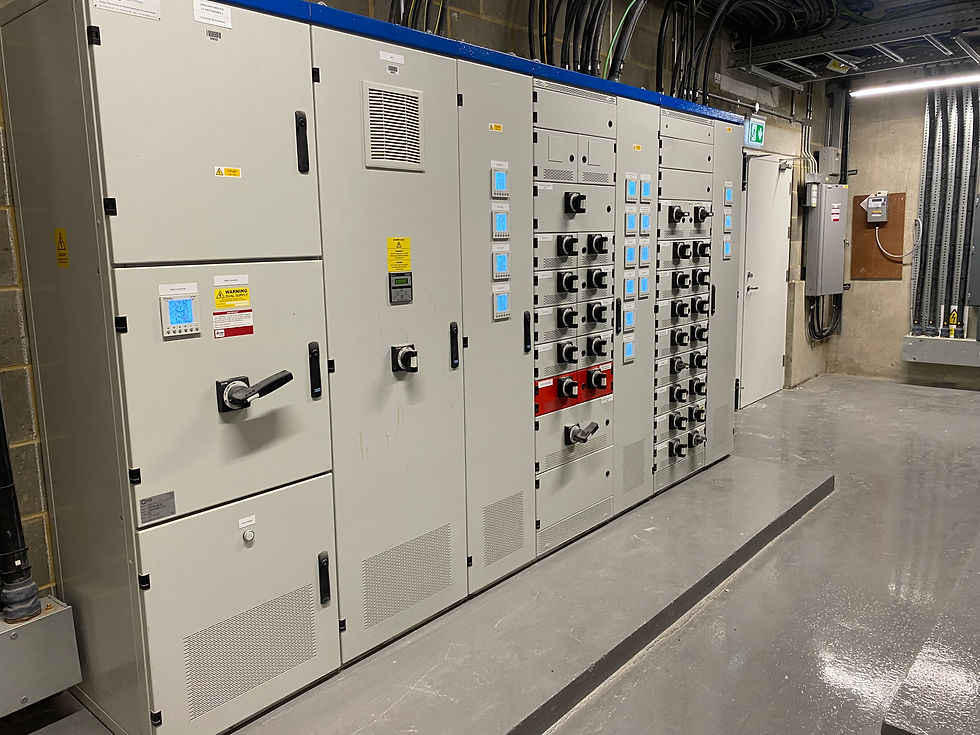
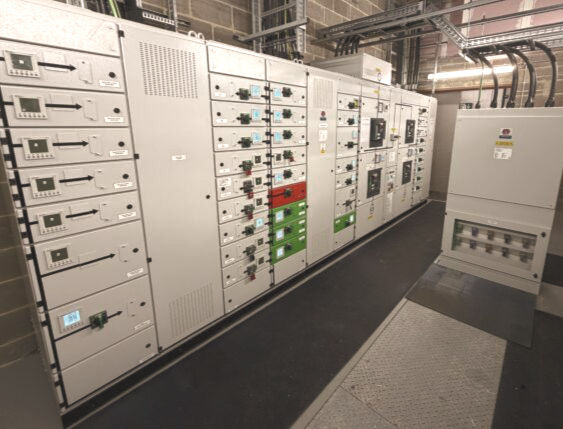
Checking mechanical operation, contact condition, and settings on low and (where applicable) high voltage switchgear
Beyond the consumer unit: wider electrical infrastructure
Standby & Backup Power (Generators and UPS Systems)
Generators should be load-tested and serviced to confirm reliable start-up and transfer under real fault conditions, while uninterruptible power supply (UPS) units require battery health checks and load testing to ensure critical systems — servers, life safety equipment, security systems — stay powered during an outage.
Transformers and HV Switchgear
Where premises have their own transformers or high voltage infrastructure, periodic insulation resistance testing, and switchgear servicing help prevent catastrophic failure and ensure safe isolation procedures remain reliable.
Power Factor Correction Equipment
Capacitor banks and power factor correction units should be inspected for capacitor degradation, overheating, and correct operation — not just for energy efficiency, but because failing capacitors can pose a fire risk if left unchecked.
Cable Management and Containment
Cable trays, conduit, and containment systems should be inspected for physical damage, correct fire-stopping at compartment penetrations, and overloading — an often-overlooked factor in both electrical safety and fire compartmentation compliance.
Lightning Protection Systems
Where fitted, lightning protection systems require periodic inspection and continuity testing in line with BS EN 62305 to confirm the system will perform as designed in the event of a strike.
Surge Protection Devices (SPDs)
SPDs protecting sensitive equipment from voltage transients should be checked for correct indication status and replaced when their protective element has been exhausted.
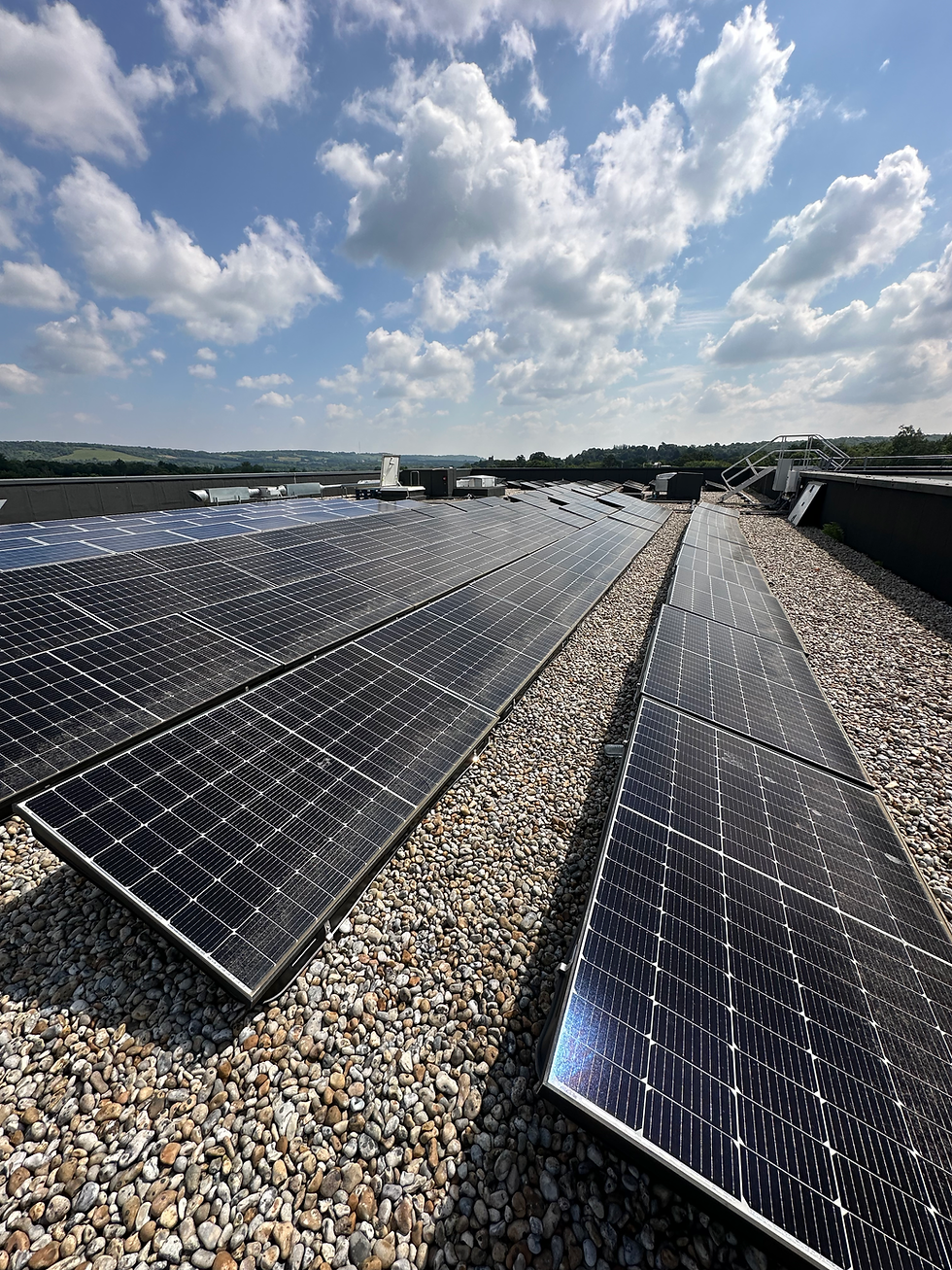
Solar PV Arrays
Solar PV array PPM should include periodic inspection of panel condition, mounting integrity, and cable/connector security, alongside testing of inverters, isolators, and anti-islanding protection to confirm the system disconnects safely from the grid during a mains failure. Regular checks should also cover earthing and bonding of the array, DC/AC insulation resistance testing, and thermal imaging of connections to identify early signs of degradation — all supporting compliance with BS 7671 and the ongoing safe operation of the installation
Building a PPM schedule that works
An effective commercial electrical safety PPM programme typically combines:
1
Statutory and recommended period testing
EICRs, PAT testing, and emergency lighting/fire alarm checks carried out by qualified electricians
2
Condition-based interventions
thermal imaging and switchgear servicing to catch developing faults early
3
Resilience
testing
generator and UPS load testing to confirm backup systems will perform when needed
4
Full documentation
certificates, test results, and remedial action logs retained for compliance, insurance, and audit purposes
The bottom line
Electrical safety PPM for commercial premises is about more than passing an EICR — it’s a system-wide approach to catching hidden risks before they become incidents. From the distribution board to standby generators, cable containment to surge protection, every component plays a part in keeping people safe and operations running without interruption.
A well-planned, professionally delivered maintenance programme reduces the risk of fire and shock, protects your compliance position, and gives you confidence that your electrical infrastructure will perform when it matters most.
For a tailored electrical PPM schedule for your premises, get in touch with our electrical safety and maintenance team.