Our Services
Fire Door Inspection, Repair & Installation for commercial premises
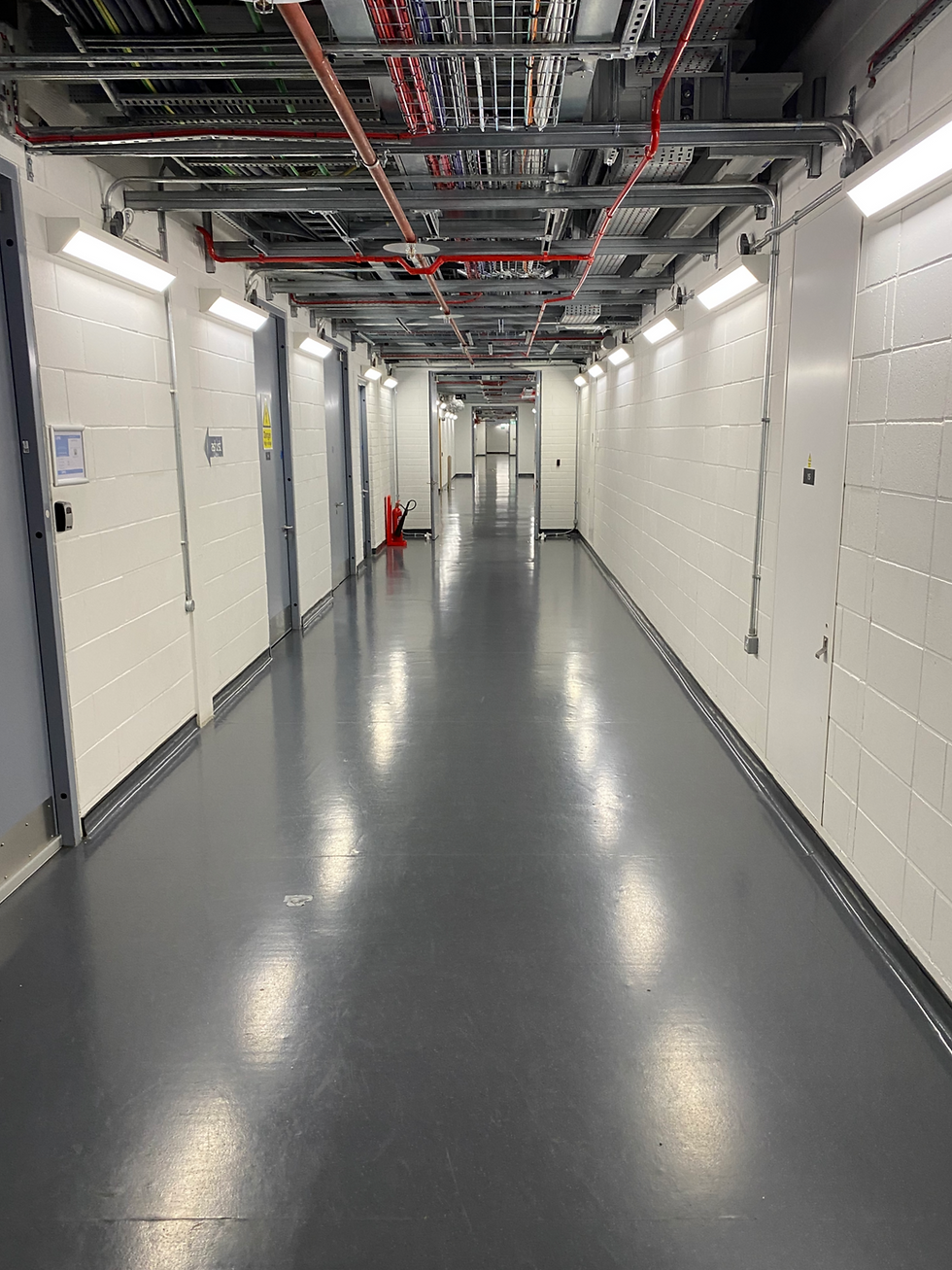
Why Fire Door Management matters
A fire door is a complete, tested assembly — the door leaf, frame, hinges, seals, glazing, and ironmongery all work together, and the removal or replacement of even a single component with an unmatched alternative can invalidate its fire performance. Because fire doors are used constantly as part of everyday building access, they’re also uniquely exposed to damage, wear, and well-intentioned but non-compliant modifications, such as drilled-through locks or removed self-closers.
The legal framework centres on the Regulatory Reform (Fire Safety) Order 2005 (RRO), which requires the responsible person for non-domestic premises in England and Wales to ensure fire doors are maintained in efficient working order, with regular inspection now an explicit expectation following amendments introduced by the Fire Safety (England) Regulations 2022, which mandate quarterly checks of fire door closers on flat entrance doors in multi-occupied residential buildings over 11m, and encourage best-practice inspection more broadly across other building types. Equivalent duties apply under the Fire (Scotland) Act 2005 and the Fire and Rescue Services (Northern Ireland) Order 2006. BS 8214 provides guidance on the specification, installation, and maintenance of timber-based fire door assemblies, while fire resistance performance is established through testing to BS 476-22 or BS EN 1634-1, and third-party certification schemes such as those operated by BM TRADA Q-Mark or IFC Certifire provide independent assurance that a door and its components meet their stated fire rating.
Where a fire door fails during a real fire — whether through poor maintenance, unauthorised modification, or incorrect installation — the consequences can be severe, both for occupant safety and for the responsible person’s legal position.
Fire door inspection tasks
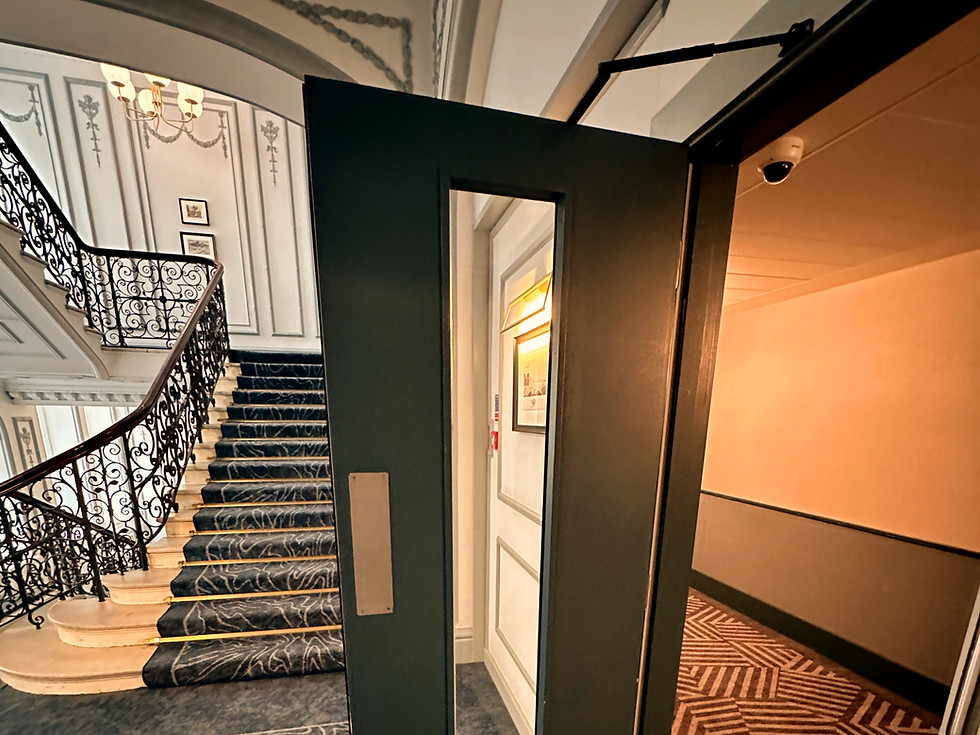
A comprehensive fire door inspection programme typically includes:
Certification and identification — confirming the door carries appropriate certification labelling or plugs identifying its fire rating and manufacturer, and cross-referencing against building records
Gaps around the door — checking gaps between the door leaf and frame are within tolerance (commonly no more than 3-4mm, or as specified by the door’s certification), as excessive gaps allow fire and smoke to bypass the seals
Seals — intumescent and smoke seals — inspecting for continuity, correct fitting, and condition, as these expand under heat to seal the gap between door and frame and are critical to the door’s fire performance
Hinges — confirming a minimum of three hinges are fitted (unless the door’s certification specifies otherwise), all screws are present and tight, and hinges show no signs of damage or excessive wear
Self-closing devices — testing that the door closes fully into its frame from any open position without sticking on the floor covering or being held open by furniture, and confirming closers are not disconnected or overridden
Door leaf and frame condition — checking for damage, delamination, warping, or unauthorised holes (such as those drilled for additional ironmongery) that could compromise fire integrity
Glazing and vision panels — confirming fire-rated glazing is intact, correctly beaded, and undamaged, as standard glass will fail rapidly in a fire condition
Ironmongery and signage — checking locks, latches, and door furniture are correctly fitted and functioning, and that appropriate fire door signage (“Fire Door Keep Shut” / “Fire Door Keep Locked”) is present and legible
Remedial repairs
Where an inspection identifies deficiencies, remedial action should always aim to restore the door to its certified performance using compatible, tested components. Common remedial works include:
Seal replacement
Fitting new intumescent and smoke seals matched to the door’s original certification
Closer adjustment or replacement — repairing or replacing self-closing devices that fail to close the door fully or operate too aggressively
Frame and leaf repair
Making good minor damage using appropriate fire-rated fillers and materials, carried out by a competent installer to avoid compromising certification
Gap correction
Adjusting hinges, packing, or frame fixings to bring clearances back within tolerance
Ironmongery replacement
Replacing damaged or non-compliant hardware with certified components appropriate to the door’s fire rating
Making good unauthorised alterations
Addressing holes, cable penetrations, or other modifications made for non-fire-related purposes, using methods that maintain the door’s tested performance
Where damage or modification is extensive enough that the door’s fire performance cannot be reliably restored through repair, replacement should be considered rather than attempting remedial work that cannot be assured to meet the original certification.
Full replacement & installation
Where a fire door has reached the end of its serviceable life, sustained damage beyond effective repair, or where a building’s fire strategy requires new door installations, a structured replacement process should include:
Specification against fire strategy
Confirming the required fire rating (commonly FD30 or FD60, denoting 30 or 60 minutes of fire resistance) in line with the building’s fire risk assessment and fire strategy
Certified product selection
Specifying door sets and components from manufacturers with valid third-party certification, ensuring the complete assembly (leaf, frame, seals, and ironmongery) is tested and compatible
Competent installation
Installation carried out by a trained, competent installer, ideally certificated under a recognised installer scheme, as incorrect installation is one of the most common causes of fire door underperformance
Post-installation inspection and certification
Verifying the completed installation meets its specified performance and issuing appropriate documentation confirming compliance
Asset register update
Recording the new door’s location, specification, certification, and installation date to support future inspection scheduling
Building a PPM schedule that works
An effective fire door PPM programme typically combines:
1
Regular routine
checks
commonly quarterly for high-frequency use doors, common area doors in buildings over 11metres, and flat entrance doors in relevant residential buildings, in line with the Fire safety (England) Regulations 2022
2
Periodic detailed inspections
by a competent, trained fire door inspector, following a structured methodology
3
Prompt remedial action
using certified, compatible components, with any works beyond straightforward repair escalated for professional assessment
4
Full documentation
inspection records, remedial works log, and installation certification - retained and accessible for RRO compliance and fire risk assessment review
The bottom line
Fire door inspection, repair, and replacement is about protecting the everyday reliability of a system that’s often taken for granted precisely because it looks like an ordinary door. From gap tolerances and intumescent seals through to certified replacement installations, every detail matters to a fire door’s ability to perform when it’s needed.
A well-planned, professionally delivered fire door management programme reduces the risk of compartmentation failure, supports your duties under the Regulatory Reform (Fire Safety) Order and the Fire Safety (England) Regulations 2022, and gives you confidence that every fire door in your building will do exactly what it’s designed to do.
For a tailored fire door inspection, repair, or replacement programme for your premises, get in touch with our fire safety and compliance team.