Our Services
Fire Risk Assessments & Compartmentation Surveys for commercial premises
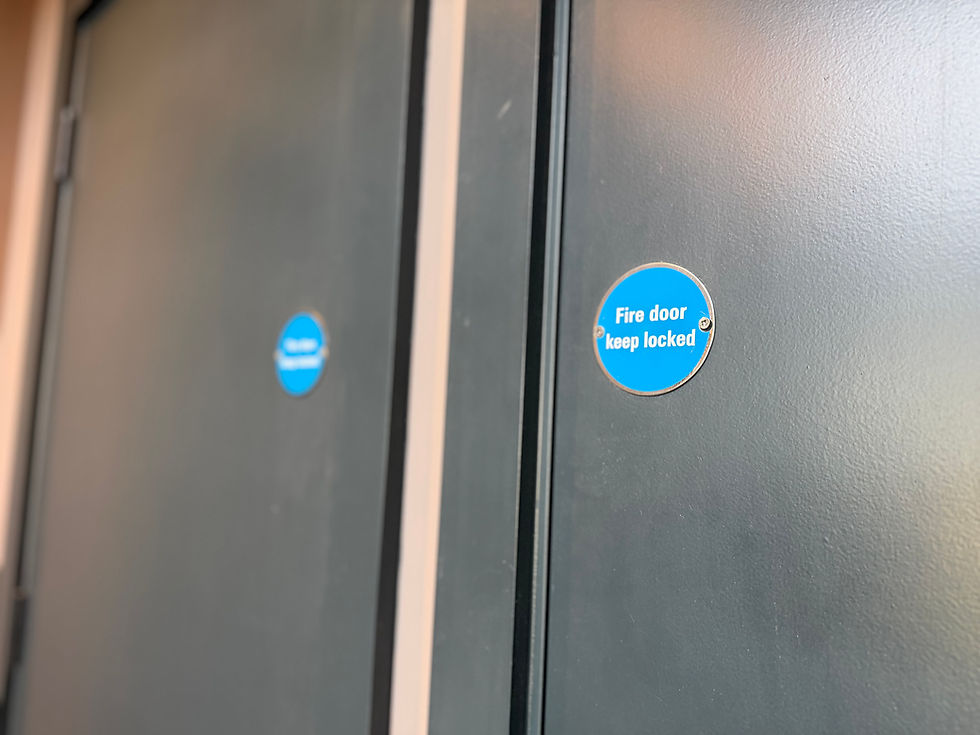
Why Fire Risk Assessments and Compartmentation Surveys matter
A fire risk assessment identifies the hazards present in a building, the people who might be affected, and whether existing precautions are adequate — while a compartmentation survey examines whether fire-resisting walls, floors, and their penetrations will actually perform as intended if a fire breaks out. Neither exercise is a one-off formality; both need to reflect the building as it actually is, which changes constantly through refurbishment, tenant fit-outs, and general wear.
The legal framework centres on the Regulatory Reform (Fire Safety) Order 2005 (RRO), which places a duty on the “responsible person” for non-domestic premises in England and Wales to carry out a suitable and sufficient fire risk assessment, and to review it regularly and whenever there is reason to believe it is no longer valid. The Fire Safety (England) Regulations 2022 further require the responsible person for multi-occupied residential buildings to record their fire risk assessment in full, regardless of size, and to share relevant information with residents. Equivalent duties apply under the Fire (Scotland) Act 2005 and the Fire and Rescue Services (Northern Ireland) Order 2006. PAS 79 provides a recognised methodology for carrying out and recording fire risk assessments, while BS 9999 and BS 9991 offer guidance on fire safety design and management, including compartmentation principles, for non-residential and residential buildings respectively. For higher-risk residential buildings, the Building Safety Act 2022 introduces additional duties around building safety cases and the “golden thread” of information, within which compartmentation evidence plays a central role.
Failure to maintain a current, accurate fire risk assessment — or to act on its findings — is one of the most common grounds for enforcement action and prosecution following a fire safety inspection or incident, and has been a recurring theme in coroners’ findings following serious fires.
Core Fire Risk Assessment tasks
A thorough fire risk assessment, following the PAS 79 methodology, typically includes:
Identification of fire hazards
Sources of ignition, fuel, and oxygen present within the building and how they’re managed
Identification of people at risk
Including staff, visitors, contractors, and anyone especially vulnerable such as those with mobility impairments, and how they would be alerted and assisted to evacuate
Evaluation of existing fire precautions
Assessing whether detection, warning, escape routes, signage, and firefighting equipment are adequate for the identified risks
Means of escape assessment
Confirming escape routes are of adequate width, number, and travel distance, and remain unobstructed and correctly signed
Fire safety management review
Evaluating staff training, fire drills, evacuation procedures, and the maintenance regime for fire safety systems
Recording of significant findings
Documenting hazards, existing controls, and any actions required, with a clear action plan and timescales
Review and revalidation
A formal review at least annually, or sooner following building alterations, a change of use, an incident, or where there is reason to believe the assessment is no longer valid
Core Compartmentation Survey tasks
A thorough compartmentation survey typically includes:
Compartment line identification
Mapping the fire-resisting walls, floors, and structures that divide the building into fire compartments, cross-referenced against the building’s design intent
Penetration inspection
Checking every point where services (cables, pipework, ductwork) pass through a compartment line, confirming fire-stopping materials are correctly installed, undamaged, and appropriate for the penetration type
Fire door and damper cross-reference
Confirming fire doors and fire dampers positioned on compartment lines are present, correctly specified, and consistent with survey findings
Cavity barrier inspection
Checking that cavity barriers within voids, ceilings, and façades are present and intact, preventing unseen fire spread through concealed spaces
Structural element assessment
Reviewing the fire resistance of structural elements such as columns, beams, and floor/ceiling assemblies against their required rating
Gap and defect recording
Identifying unsealed gaps, missing fire-stopping, or unauthorised alterations made during subsequent works, which are among the most common compartmentation failures found on survey
Remedial recommendations
A prioritised schedule of remedial fire-stopping and repair works, referenced to specific locations for follow-up action
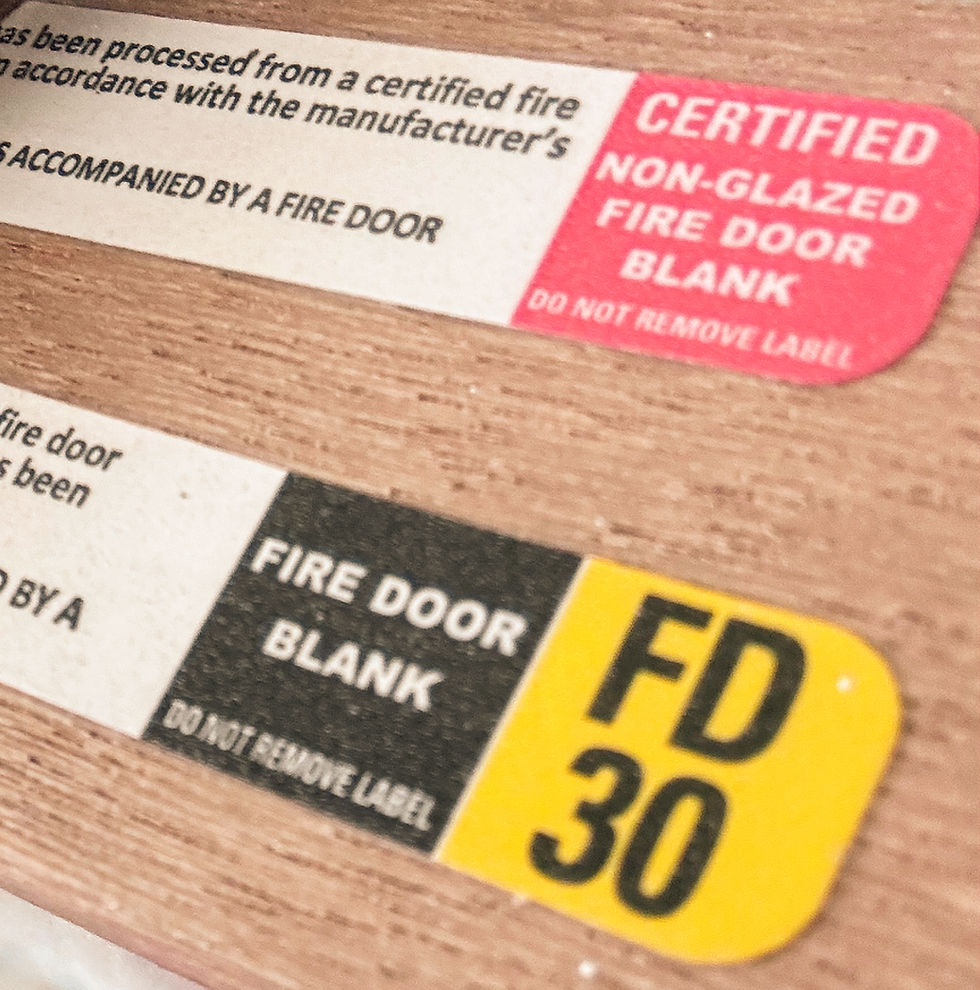
From findings to action
Both a fire risk assessment and a compartmentation survey are only as valuable as what happens after they’re completed. An effective process should include:
Clear, Prioritised Action Plans
Findings should be translated into a prioritised schedule of works, distinguishing urgent life-safety issues from lower-risk items, with realistic timescales for completion.
Coordination with Other PPM Activity
Remedial fire-stopping, fire door repairs, and damper works identified through these assessments should be coordinated with existing PPM programmes to avoid duplication and ensure nothing falls between separate maintenance schedules.
Golden Thread and Building Safety Case Alignment
For higher-risk buildings falling under the Building Safety Act 2022, compartmentation survey findings should feed directly into the building’s safety case and golden thread documentation, providing the evidence base regulators will expect to see.
Communication to Stakeholders
Relevant findings should be communicated to duty holders, building occupiers, and — under the Fire Safety (England) Regulations 2022 — residents in relevant residential buildings, ensuring everyone understands the current fire safety position.
Review Triggers
Beyond the scheduled annual review, both assessments should be revisited following any material change: refurbishment, change of use, a new tenant fit-out, or an incident that suggests existing precautions were inadequate.
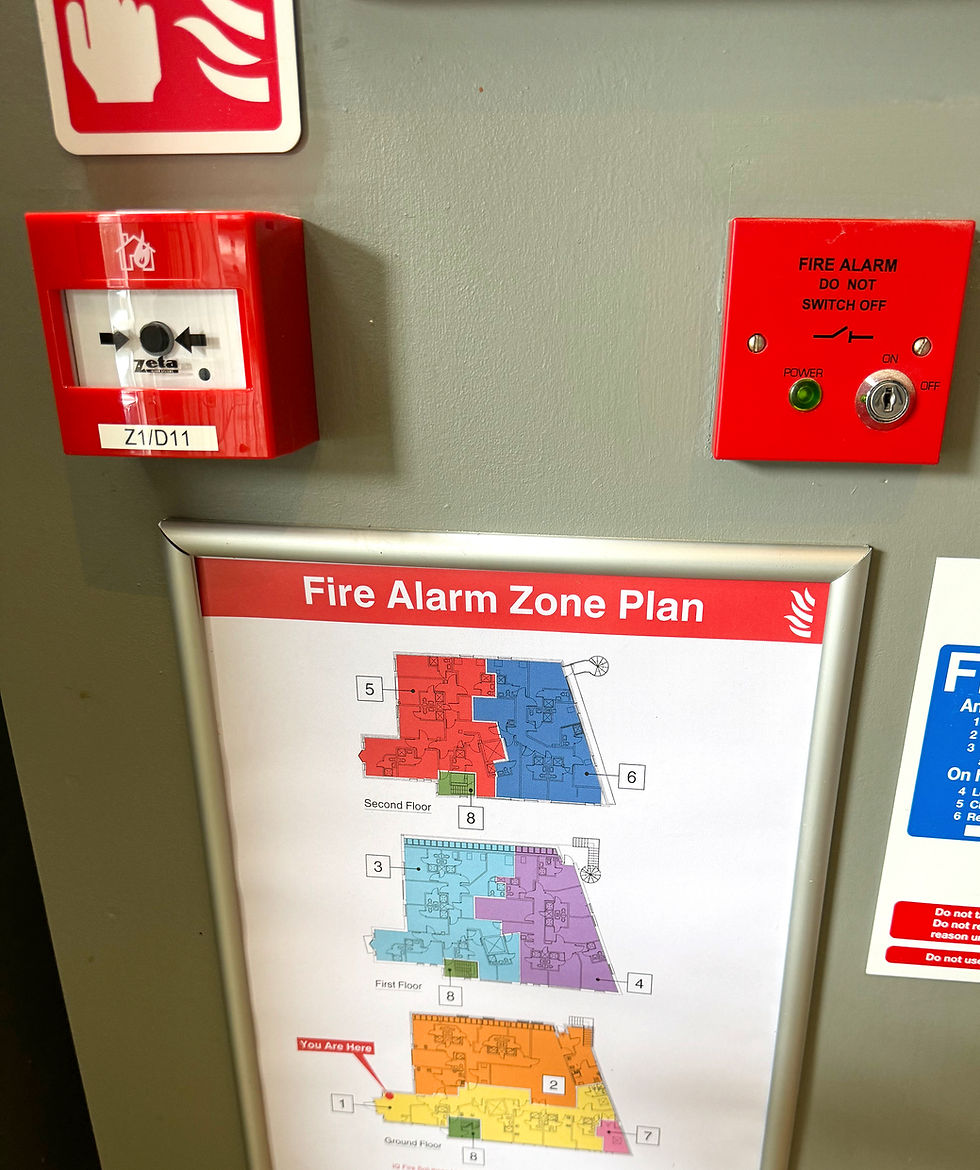
Building a programme that works
An effective fire risk assessment and compartmentation survey programme typically combines:
1
A suitable and sufficient fire risk assessment
reviewed at least annually and following any significant change, carried out in line with PAS 79
2
A detailed compartmentation survey
particularly following refurbishment or where existing records are incomplete or unreliable
3
A prioritised remedial action plan
coordinated with fire door, fire damper, and fire stopping PPM programmes
4
Full documentation
assessment records, survey reports, remedial action logs, and (where applicable) golden thread records - retained and accessible for RRO and Building Safety Act compliance
The bottom line
Fire risk assessments and compartmentation surveys are the starting point for everything else in a building’s fire safety strategy — identifying what could go wrong and confirming the structure itself will do what it’s designed to do if it does. Getting these two exercises right, and keeping them current, gives every other fire safety measure in the building a solid foundation to work from.
A well-planned, professionally delivered assessment and survey programme reduces the risk of undetected fire safety gaps, supports your duties under the Regulatory Reform (Fire Safety) Order, the Fire Safety (England) Regulations 2022, and the Building Safety Act 2022, and gives you the documented assurance needed to demonstrate compliance with confidence.
For a tailored fire risk assessment or compartmentation survey for your premises, get in touch with our fire safety and compliance team.