Our Services
Water Hygiene & Legionella Control PPM for commercial premises
Why Water Hygiene PPM matters
Legionella bacteria occur naturally in water but become a health risk when allowed to multiply in warm, stagnant conditions and are then dispersed as a fine mist — through showers, cooling towers, or spray taps — that can be inhaled. Legionnaires’ disease, the resulting pneumonia-type illness, can be severe and, in vulnerable individuals, fatal.
The legal framework is well established. The Health and Safety at Work etc. Act 1974 places a general duty on employers and duty holders to protect people from risks to their health, while the Control of Substances Hazardous to Health Regulations 2002 (COSHH) specifically identify Legionella as a biological agent requiring risk assessment and control. The Health and Safety Executive’s Approved Code of Practice, L8: Legionnaires’ disease — The control of Legionella bacteria in water systems, sets out the practical framework duty holders are expected to follow, supported by the accompanying technical guidance HSG274.
Under ACoP L8, duty holders must identify and assess sources of risk, prepare a written scheme for controlling that risk, implement, manage, and monitor precautions, and keep records demonstrating that the scheme is being followed. Non-compliance can result in enforcement action, and in the event of an outbreak, criminal prosecution.
Core legionella control PPM tasks
A comprehensive water hygiene PPM programme built around ACoP L8 should include:
Legionella risk assessment
A site-specific assessment identifying water system layout, storage, usage patterns, and risk factors, reviewed at least every two years or sooner if the system, its use, or the occupancy of the building changes
Written scheme of control
Documenting the control measures, monitoring frequencies, and responsible persons for managing identified risks
Temperature monitoring
Checking that cold water is stored and distributed below 20°C and hot water is stored at 60°C or higher and distributed to reach 50°C (55°C in healthcare settings) within one minute at outlets, as these temperature bands are central to preventing bacterial growth
Water sampling and analysis
Periodic sampling for Legionella and Total Viable Count (TVC) at representative outlets, particularly where temperature control alone cannot be relied upon or following any remedial works
Outlet flushing
Regular flushing of little-used or infrequently used outlets to prevent stagnation, a key risk factor for bacterial growth
Shower head and outlet descaling and disinfection
Removing scale and biofilm that can harbour bacteria and reduce the effectiveness of temperature control
Tap and valve inspection
Checking thermostatic mixing valves (TMVs) are functioning correctly and serviced in line with manufacturer guidance to maintain safe outlet temperatures
Visual inspections of water storage tanks
Checking for signs of contamination, sediment build-up, integrity of covers, screens, and insulation
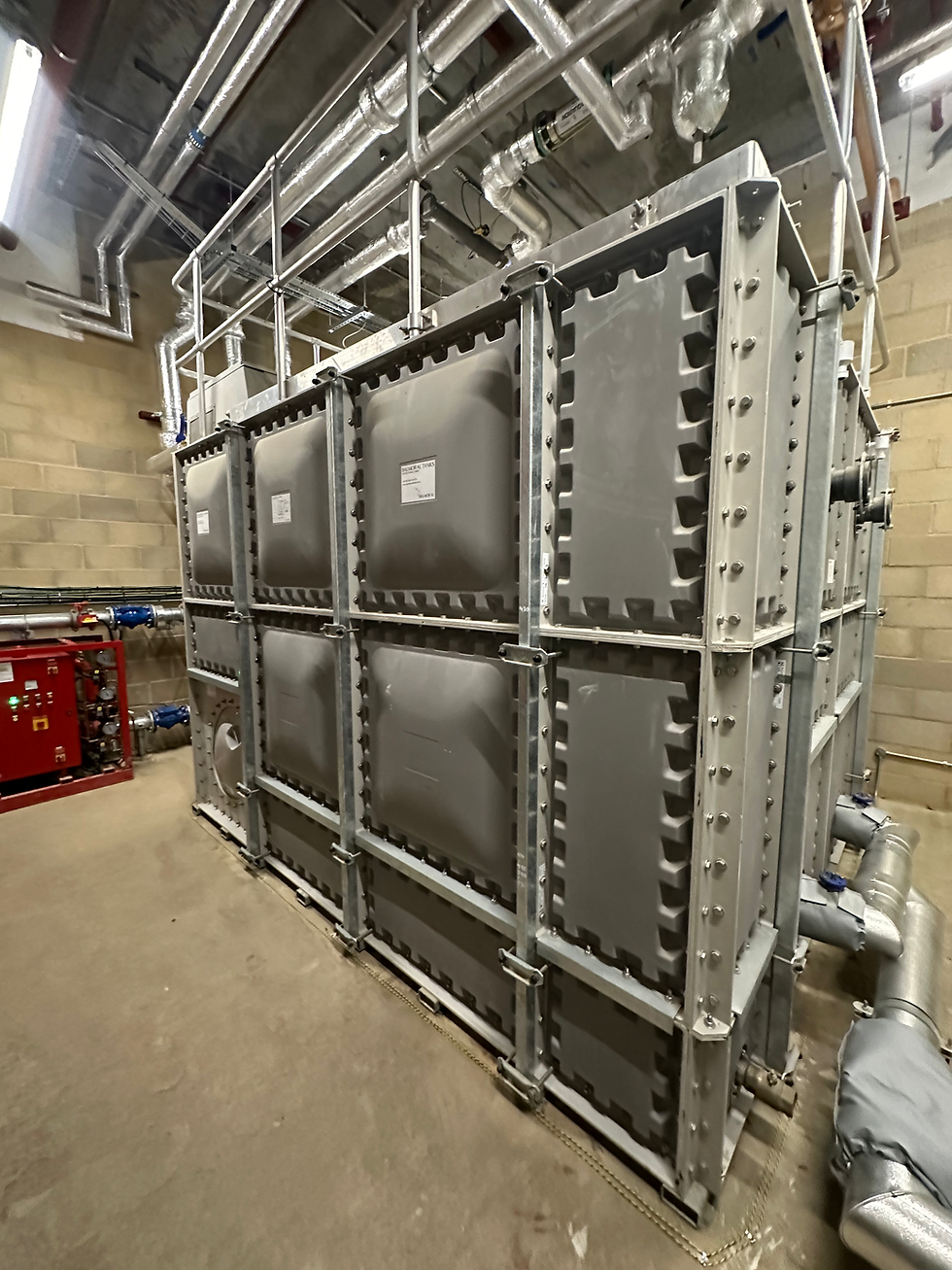
Cold water storage tank cleaning & disinfection
Cold water storage tanks are a particular focus of ACoP L8, as sediment, debris, and biofilm can accumulate over time and provide an ideal environment for bacterial growth. A thorough tank maintenance regime typically includes:
Annual inspection of tank condition, covers, screens, insulation, and overflow arrangements to identify contamination risks
Periodic cleaning and chlorination, typically every one to five years depending on risk assessment findings, involving draining, removal of sediment and biofilm, and disinfection in line with BS 8558 and industry guidance
Post-clean water sampling to confirm the tank has been returned to service safely and bacterial levels are within acceptable limits
Verification of tank integrity, checking for cracks, corrosion, or damaged linings that could compromise water quality or structural safety
Water sampling: a core pillar of ongoing control
Regular water sampling provides objective evidence that control measures are working, and is particularly important where temperature control cannot be fully relied upon (for example, in complex or low-use systems). A robust sampling programme typically includes:
Legionella sampling at sentinel and representative outlets, with frequency determined by risk assessment findings and any history of previous detections
TVC (Total Viable Count) sampling, to monitor general microbiological water quality
Sampling following remedial works, system modifications, or periods of building closure or reduced occupancy, when stagnation risk increases
Analysis by UKAS accredited laboratories, with results reviewed against HSE guidance thresholds and used to inform any necessary remedial action
Beyond the taps: wider system considerations
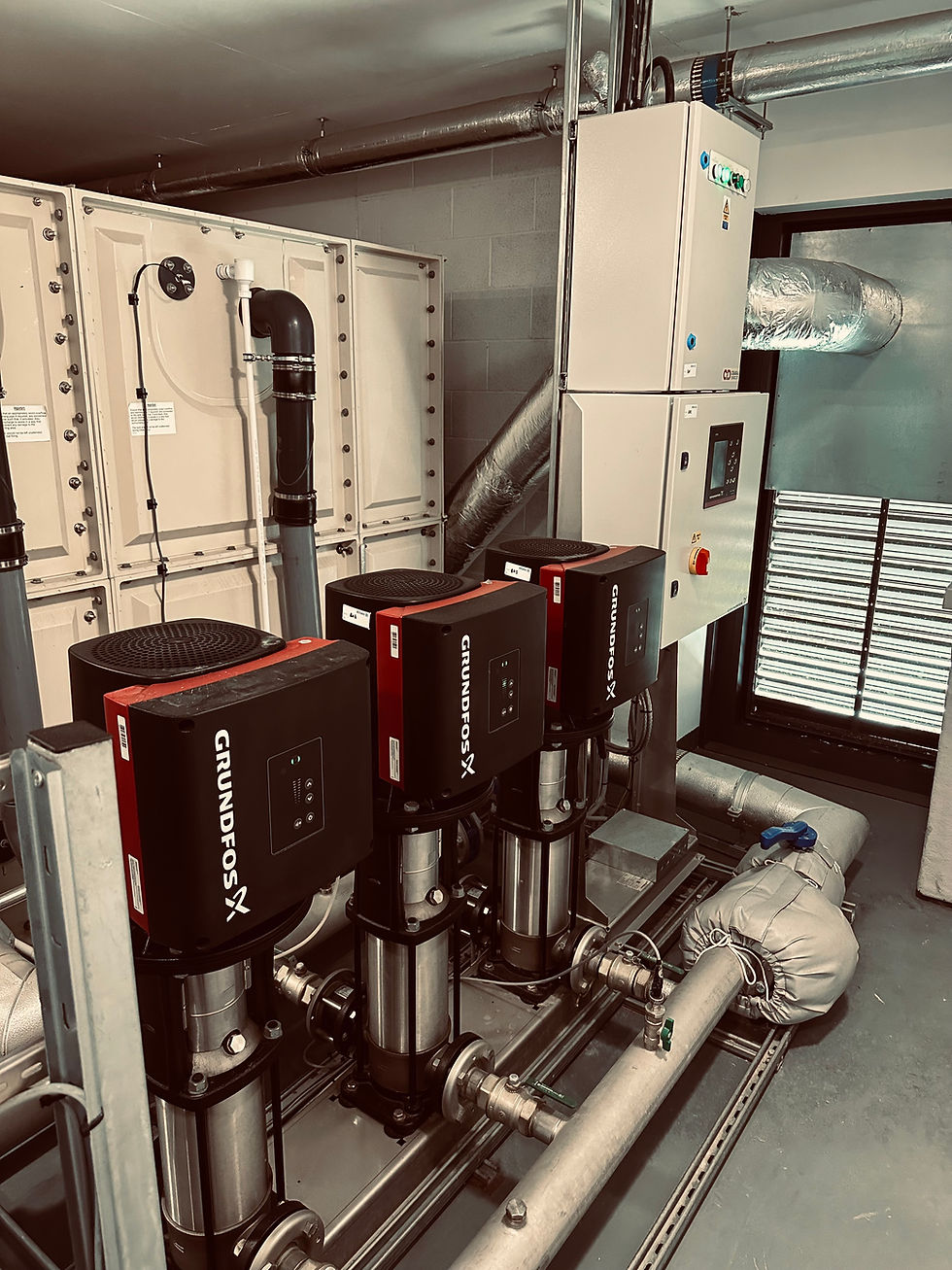
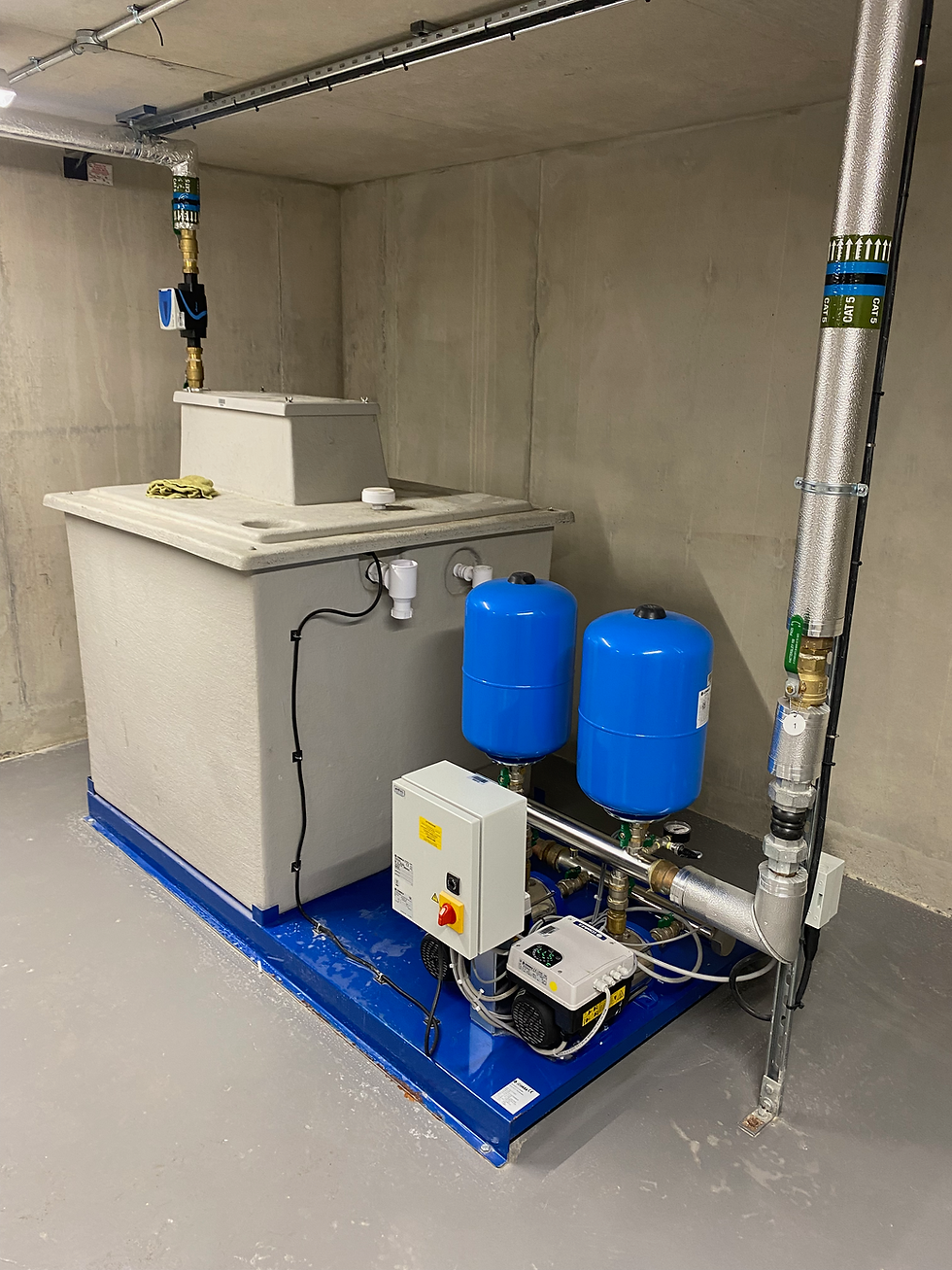
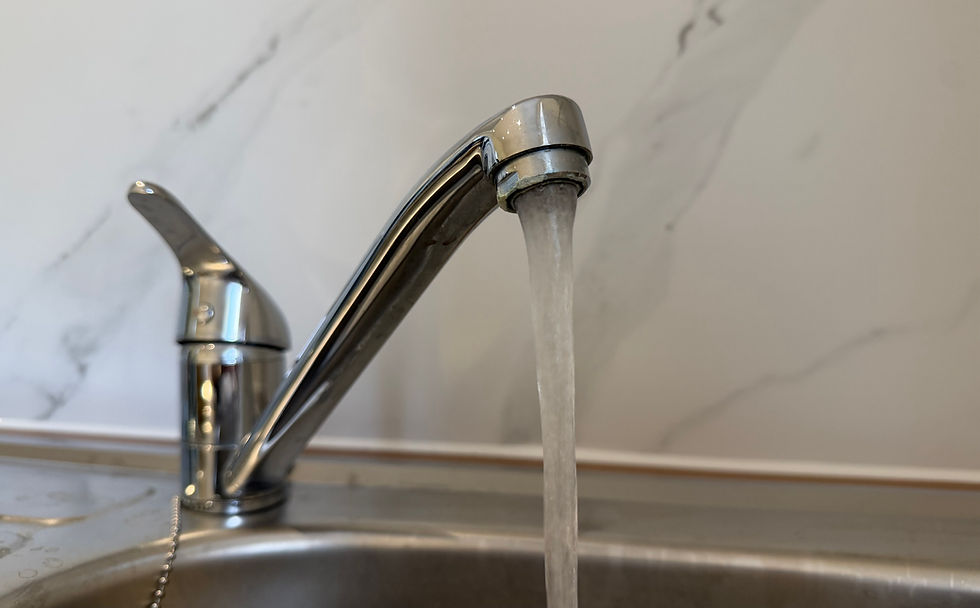
Effective Legionella control extends across the full water system, and a complete PPM plan should also account for:
Calorifiers and Water Heaters
Calorifiers should be checked to confirm hot water storage temperatures are maintained correctly and de-sludged periodically to remove sediment that can shield bacteria from disinfection.
Pipework and Dead Legs
Pipework should be inspected for redundant sections (“dead legs”) that no longer serve a purpose, as these create stagnant water pockets that are difficult to control and should ideally be removed at the earliest opportunity.
Spa Pools and Water Features
Spa pools, decorative water features, and misting systems carry a particularly high risk profile due to aerosol generation and warm water temperatures, and require enhanced monitoring, dosing, and cleaning regimes specific to their use.
Building a PPM schedule that works
An effective water hygiene and legionella control PPM programme typically combines:
1
A current site specific risk assessment
reviewed at least every two years or following significant system changes
2
A written scheme of control
clearly setting out responsibilities, monitoring frequencies, and remedial procedures
3
Routine monitoring and sampling
tailored to the specific risk profile of the building and its water systems
4
Full documentation
risk assessments, written schemes, temperature logs, sampling results, and remedial action records — retained and accessible for HSE inspection or audit
The bottom line
Water hygiene and Legionella control under ACoP L8 is a legal duty and a public health responsibility that demands consistent, well-documented attention — not a one-off assessment filed away and forgotten. From risk assessment through to tank cleaning, temperature monitoring, and regular sampling, every element plays a part in keeping water systems safe.
A well-planned, professionally delivered PPM programme reduces the risk of Legionella growth, protects building occupants, and gives you the documented assurance needed to demonstrate compliance with confidence.
For a tailored water hygiene and Legionella control PPM schedule for your premises, get in touch with our water hygiene and compliance team.